|
Hi, my name is Haoyue Bai. I am a Ph.D. candidate at the Computer Sciences Department, University of Wisconsin-Madison, fortunately advised by Prof. Robert Nowak. I am honored to be supported by the OpenAI Superalignment Fellowship. I am a graduate visiting researcher in the Computer Science Division at UC Berkeley, working with Prof. Dawn Song and Dr. Yiyou Sun. I am grateful to have worked with Prof. Sharon Li (UW-Madison), Dr. Wei Cheng (NEC Labs America), and Prof. Bolei Zhou (UCLA) during my graduate studies. I obtained my bachelor's degree at Zhejiang University and my master's degree at HKUST CSE, supervised by Prof. S.-H. Gary Chan. My current research develops the theoretical and algorithmic foundations of reliable and trustworthy AI, with a focus on open-world robustness, data-efficient reliability, and safe reasoning in foundation models. A central theme of my work is leveraging post-deployment wild data, principled uncertainty, and provable objectives to ensure that AI systems can generalize, detect unknowns, and reason safely under distribution shift.
Junior PhD/master/undergraduate students: If you would like to chat about life, career plan, graduate school applications, or research ideas related to AI/ML, feel free to email me to schedule a meeting. I will dedicate 30 mins every week, especially for students from underrepresented groups or whoever is in need. Email: haoyue.bai [at] wisc [dot] edu |

|
|
|
|
(See the full list on my Google Scholar page; ∗ indicates equal contribution; † indicates the mentoring role.)
|
|
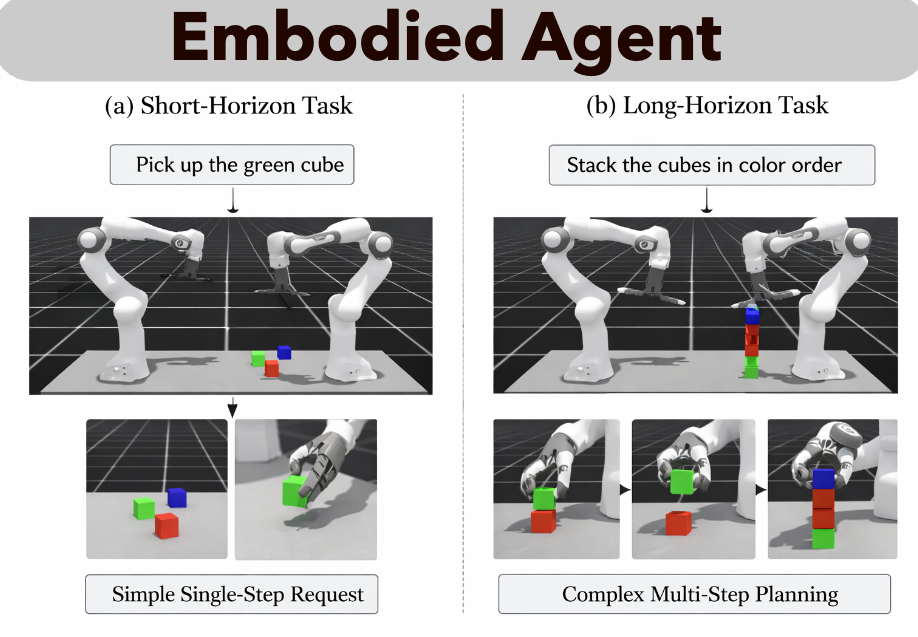
Jessica Wang*, Haoyue Bai † * , Yiyou Sun, Haorui Wang, Shuibai Zhang, Wenjie Hu, Mya Schroder, Bilge Mutlu, Dawn Song, Robert Nowak arXiv, 2026 paper / code / data LLM agents succeed on short tasks but degrade on long-horizon ones, with failures that are poorly understood. We introduce HORIZON, a diagnostic suite that systematically probes long-horizon tasks across domains and reveals consistent failure patterns in SOTA agents. |
|
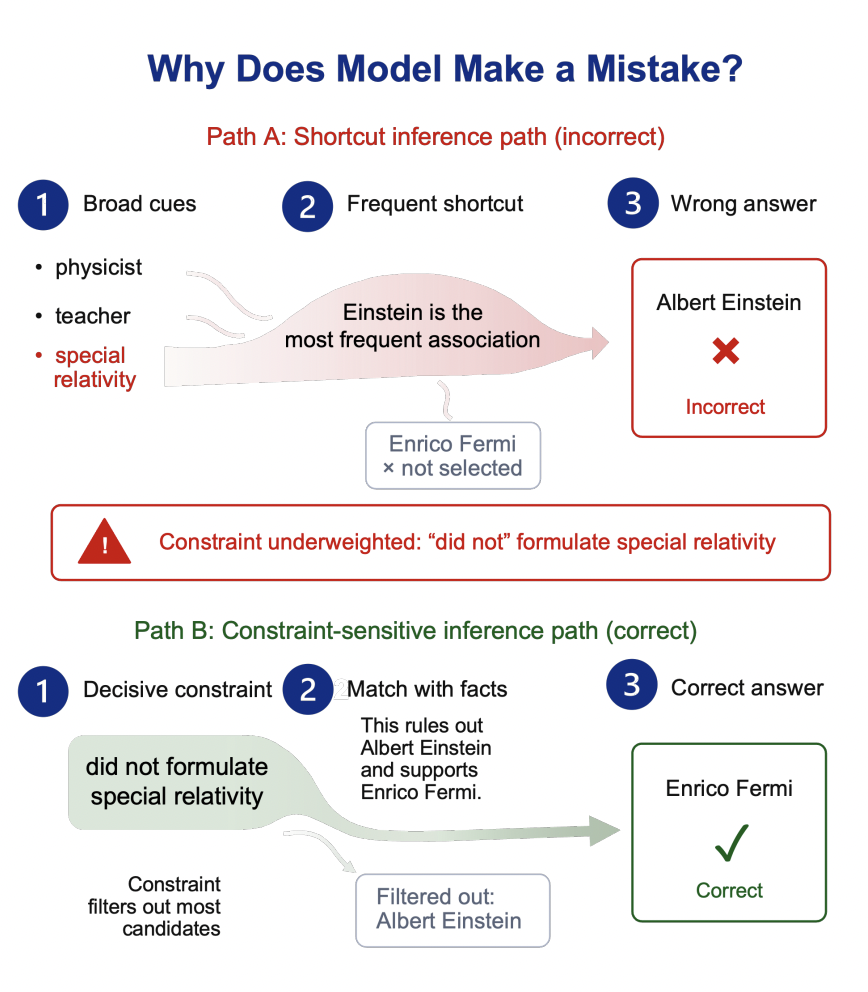
Yangfan Hu*, Xuhan Tong*, Haoyue Bai † * , Xi Ding, Shashank Muralidhar Bharadwaj, Siyang Cai, Robert Nowak, Jiawei Zhang arXiv, 2026 paper / code / dataset This paper investigates why large language models (LLMs) hallucinate by arguing that many errors arise not from missing knowledge, but from inference misalignment, where models follow statistically dominant shortcut associations instead of the prompt's decisive constraints. |
|
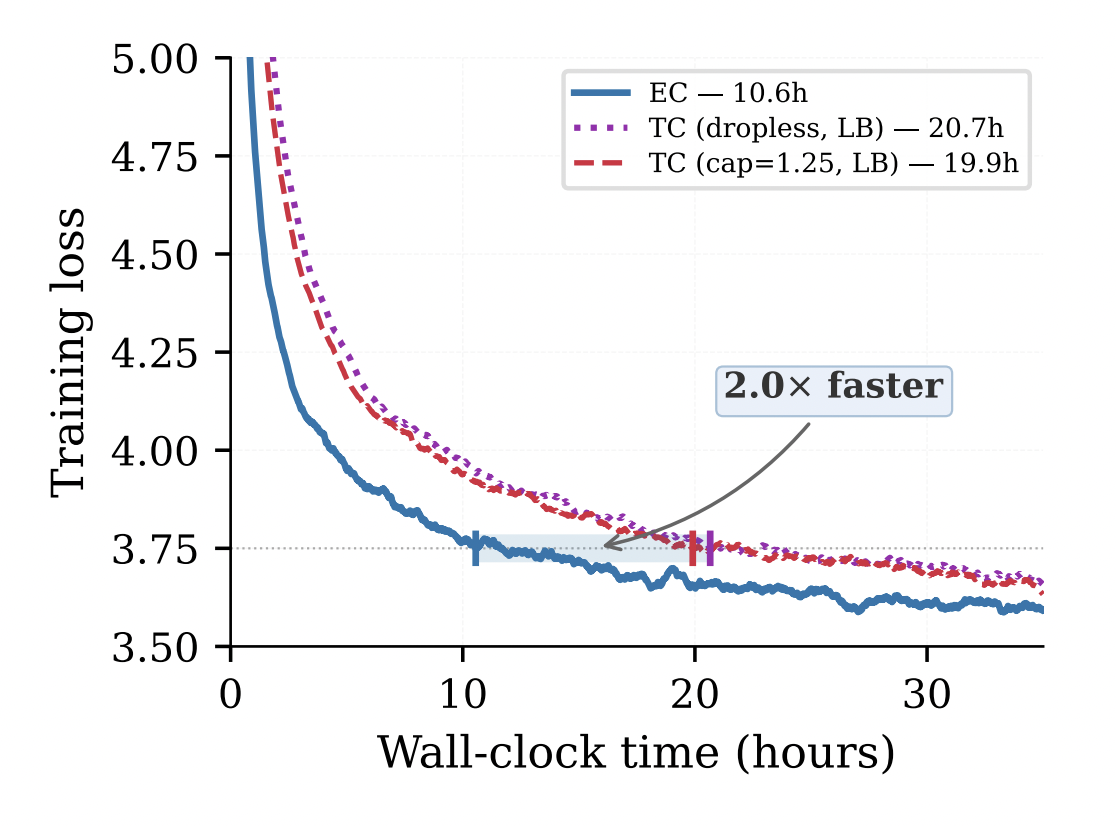
Shuibai Zhang*, Caspian Zhuang*, Chihan Cui, Zhihan Yang, Fred Zhangzhi Peng, Yanxin Zhang, Haoyue Bai , Zack Jia, Yang Zhou, Guanhua Chen, Ming Liu Conference on Language Modeling (COLM), 2026 paper / code This project shows that EC routing improves training efficiency and model performance over token-choice routing, and introduces timestep-dependent expert scheduling that further boosts performance by allocating more computation to low-mask-ratio denoising steps. |
|
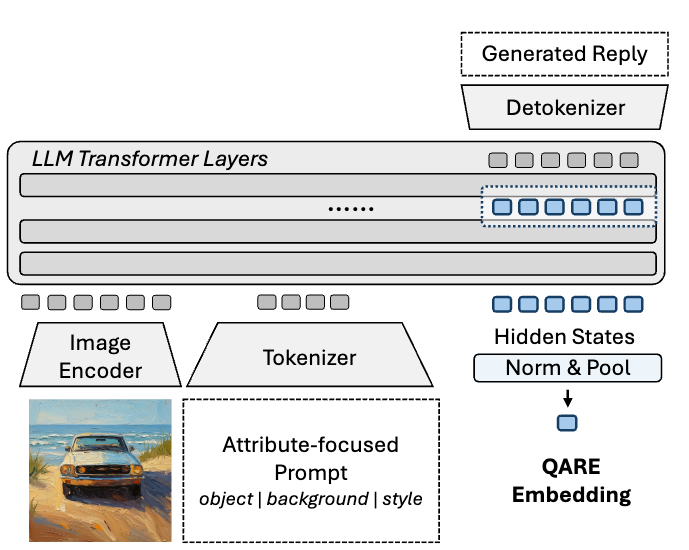
Yibing Wei, Sudeep Katakol, Manuel Brack, Jinhong Lin, Haoyue Bai †, Yu-Teng Li, Richard Zhang, Eli Shechtman, Hareesh Ravi, Ajinkya Kale IEEE Conference on Computer Vision and Pattern Recognition (CVPR) Findings, 2026 paper / code This work identify a core limitation of current multimodal embeddings and formulate Queryable Attribute Representation Extraction (QARE) to explicitly evaluate query sensitivity and attribute invariance. |
|
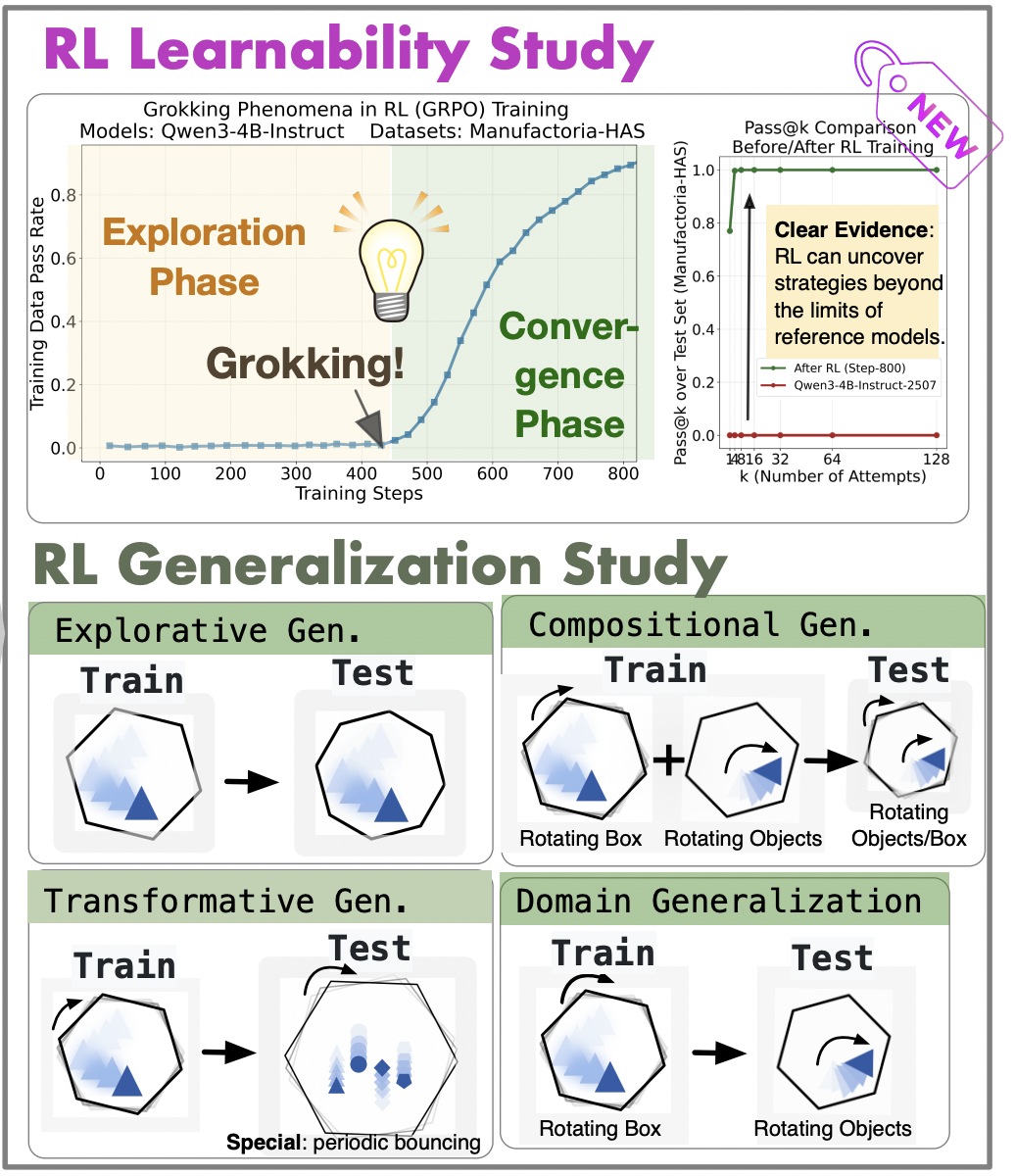
Yiyou Sun, Yuhan Cao, Bohao Huang, Haoyue Bai, Hannaneh Hajishirzi, Nouha Dziri, Dawn Song, International Conference on Learning Representations (ICLR), 2026 paper / code / media coverage Can reinforcement learning (RL) actually teach large language models new algorithms or just “sharpen” what’s already latent in the base model? We set out to test this directly, and the finding is clear: RL can discover new capabilities, but only when trained wisely. |
|
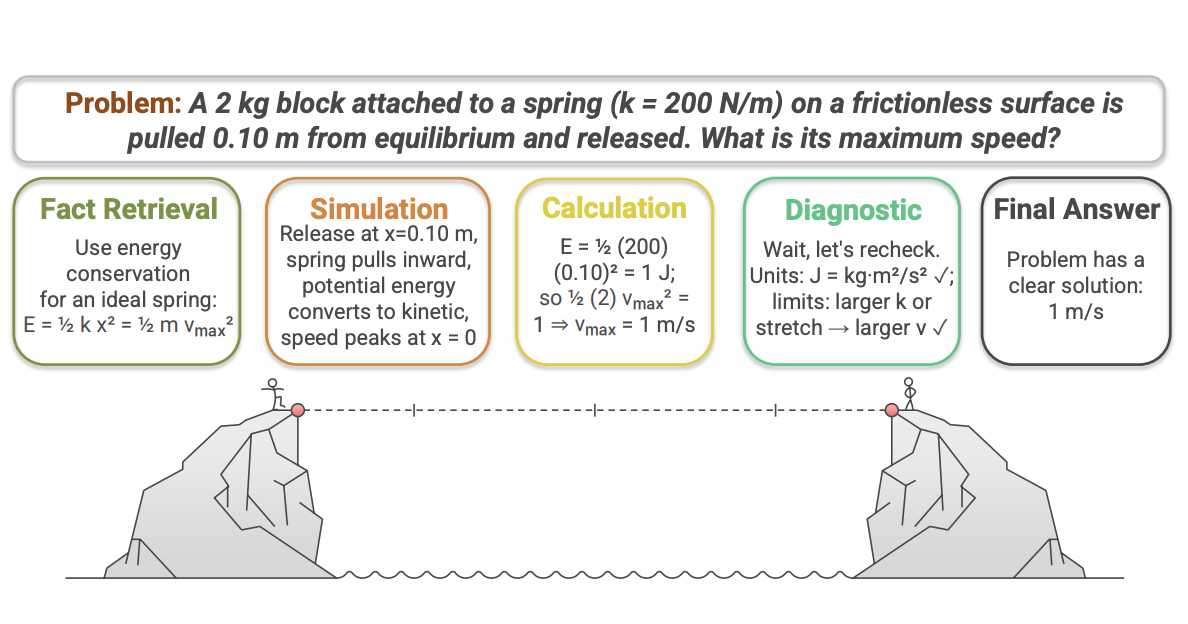
Haoyue Bai, Yiyou Sun, Wenjie Hu, Shi Qiu, Maggie Huan, Peiyang Song, Robert Nowak, Dawn Song, ACL Rolling Review, 2025 LLMs show markedly different generalization behaviors under post-training. We propose to decompose reasoning into atomic core skills, enabling fine-grained analysis of how specific abilities emerge, transfer, or collapse across training stages. |
|
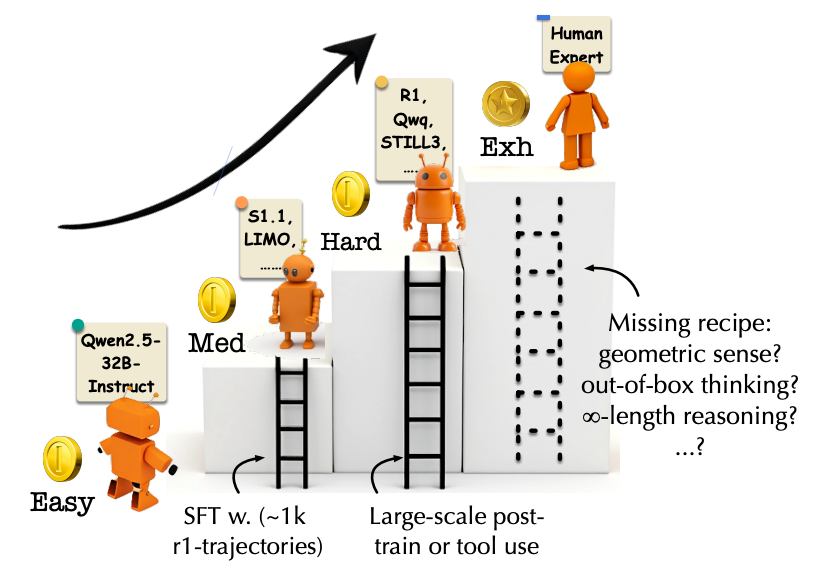
Yiyou Sun, Georgia Zhou, Haoyue Bai, Hao Wang, Dacheng Li, Nouha Dziri, Dawn Song, Neural Information Processing Systems (NeurIPS) MATH-AI, 2025 paper / code We analyze how supervised fine-tuning improves mathematical reasoning and uncover a ladder-like structure of problem difficulty from Easy to Extremely Hard. |
|
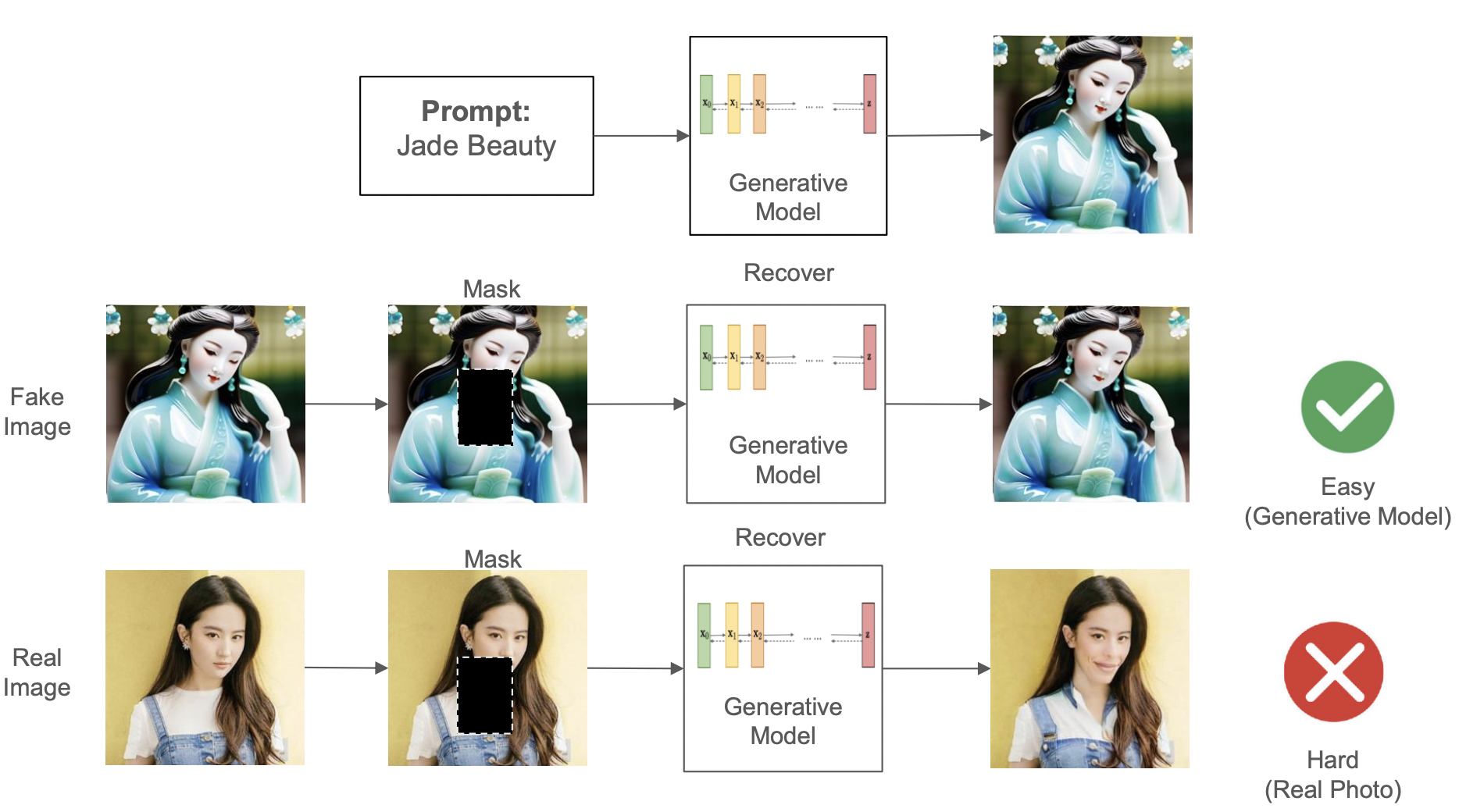
Haoyue Bai, Yiyou Sun, Wei Cheng, Haifeng Chen, The IEEE/CVF Conference on Computer Vision and Pattern Recognition (CVPR), 2025 paper / code / media coverage We introduce a novel black-box detection framework that requires only API access, sidestepping the need for model weights or large auxiliary datasets. |
|
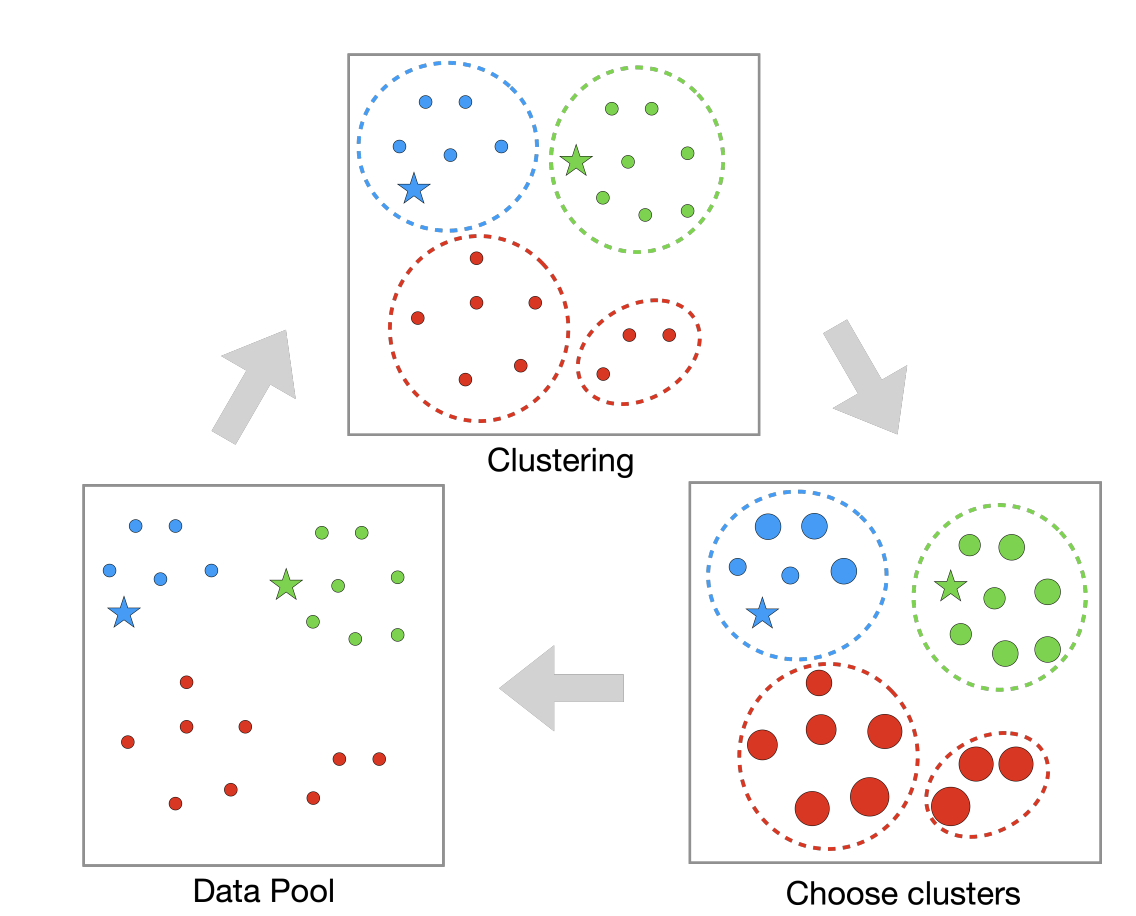
Tian Xie, Jifan Zhang, Haoyue Bai † , Robert Nowak, Transactions on Machine Learning Research (TMLR), 2025 paper / code We introduce ALOE, a novel active learning algorithm for open-world environments designed to enhance model adaptation by incorporating new OOD classes via a two-stage approach. |
|
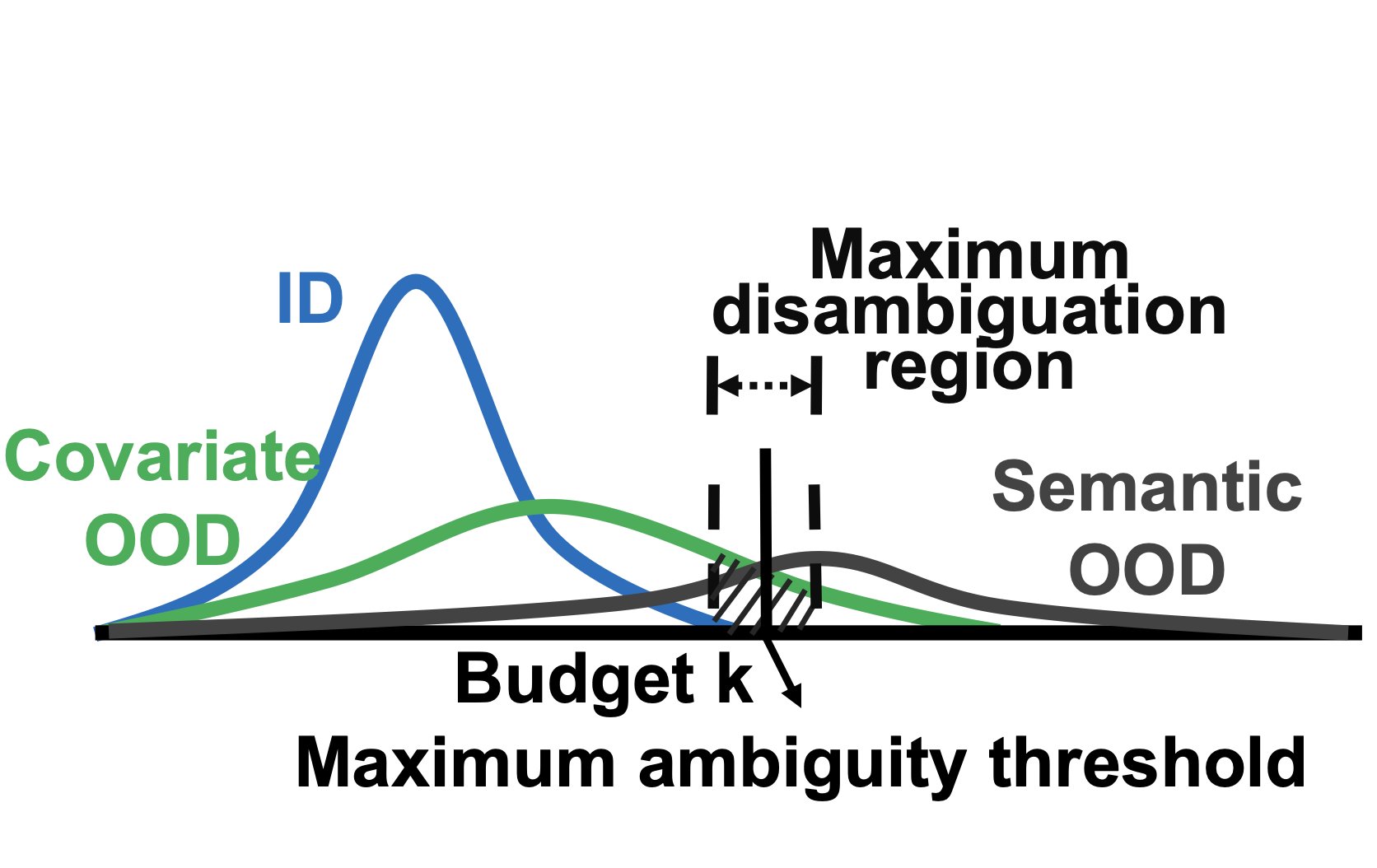
Haoyue Bai, Jifan Zhang, Robert Nowak, Neural Information Processing Systems (NeurIPS), 2024 paper / code Our approach strategically labels examples within a novel maximum disambiguation region, where the number of semantic and covariate OOD data roughly equalizes. By labeling within this region, we can maximally disambiguate the two types of OOD data, thereby maximizing the utility of the fixed labeling budget. |
|
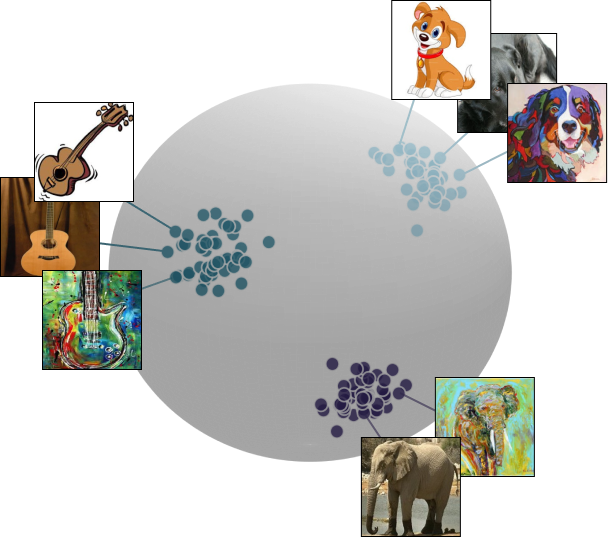
Haoyue Bai*, Yifei Ming*, Julian Katz-Samuels, Yixuan Li International Conference on Learning Representations (ICLR), 2024 paper / code This paper provably learns domain-invariant representations in a hyperspherical space for OOD generalization. |
|
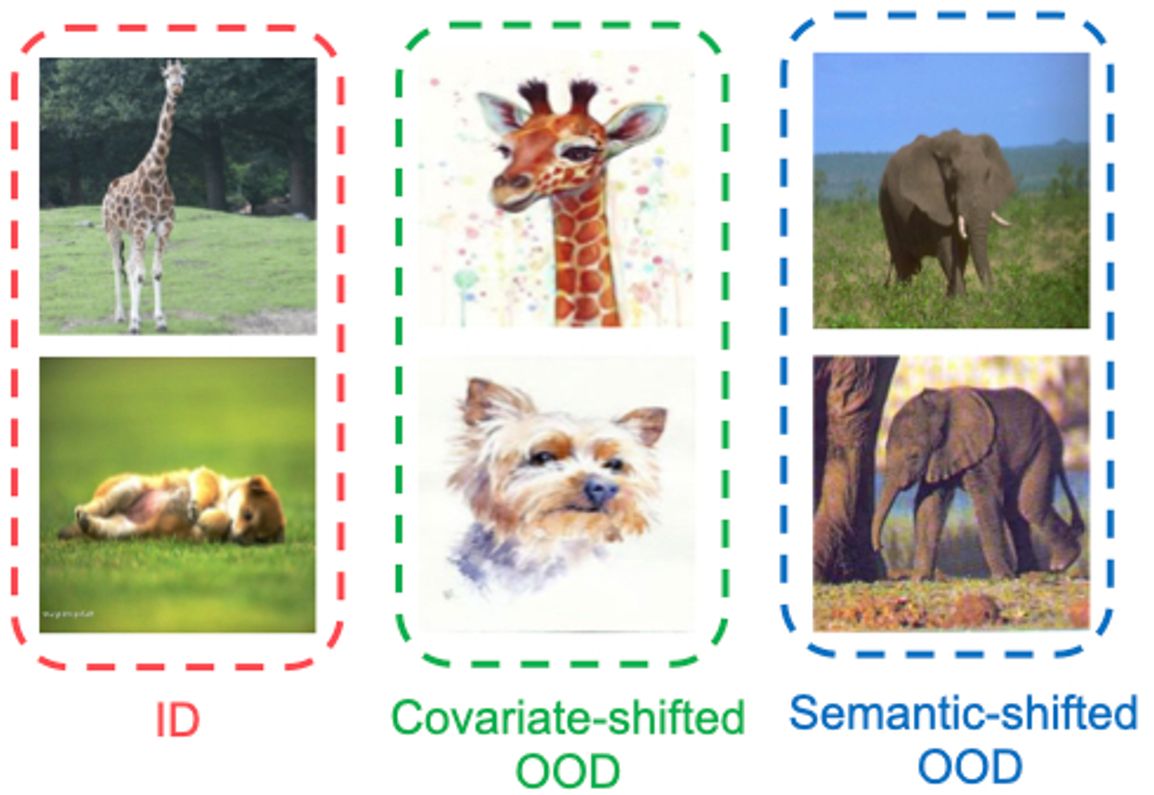
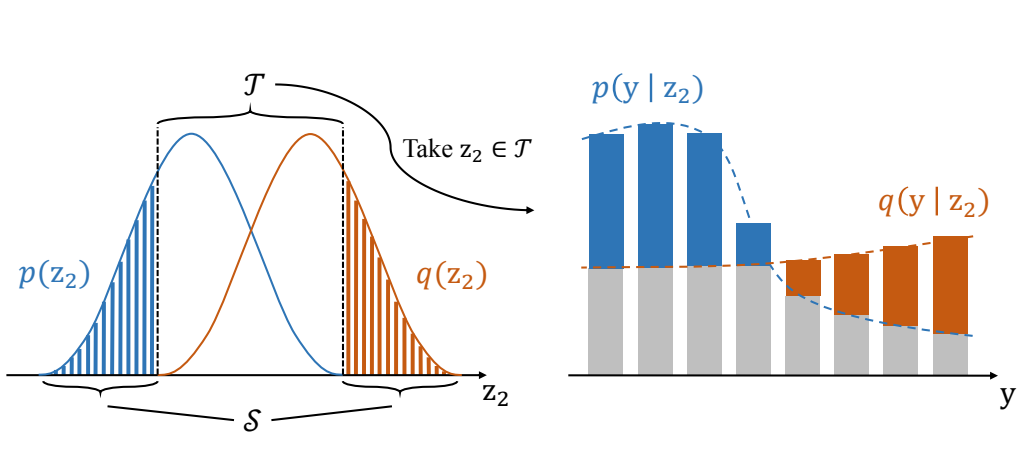
Haoyue Bai, Gregory Canal, Xuefeng Du, Jeongyeol Kwon, Robert Nowak, Yixuan Li International Conference on Machine Learning (ICML), 2023 Selected into UW-Madison CS762. [link] paper / code This paper bridges the gap between OOD generalization and OOD detection in one coherent framework. |
|
Nanyang Ye, Kaican Li, Haoyue Bai, Runpeng Yu, Lanqing Hong, Fengwei Zhou, Zhenguo Li, Jun Zhu IEEE Conference on Computer Vision and Pattern Recognition (CVPR), 2022 Selected as Oral Presentation. paper / code / media coverage This benchmark may serve as a strong foothold that can be resorted to by future OoD generalization research. |
|
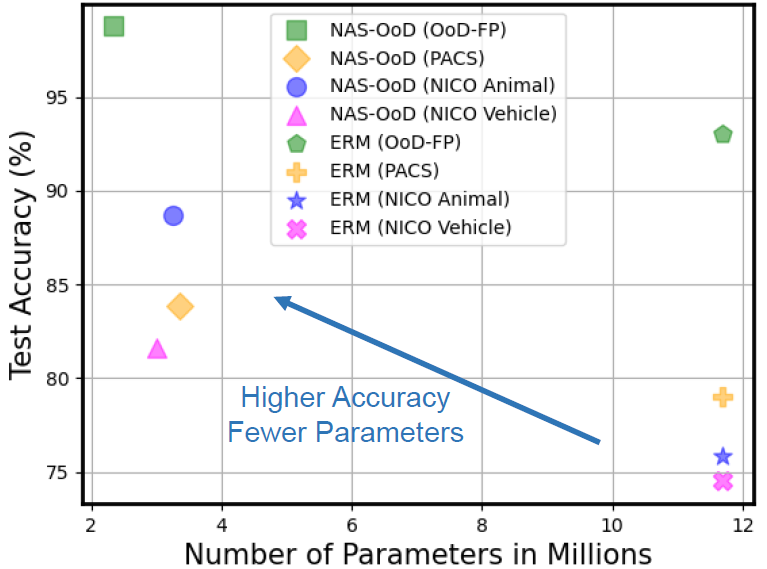
Haoyue Bai, Fengwei Zhou, Lanqing Hong, Nanyang Ye, S.-H. Gary Chan, Zhenguo Li IEEE International Conference on Computer Vision (ICCV), 2021 paper / code This work takes the first step to understand the OoD generalization of neural network architectures systematically. |
|
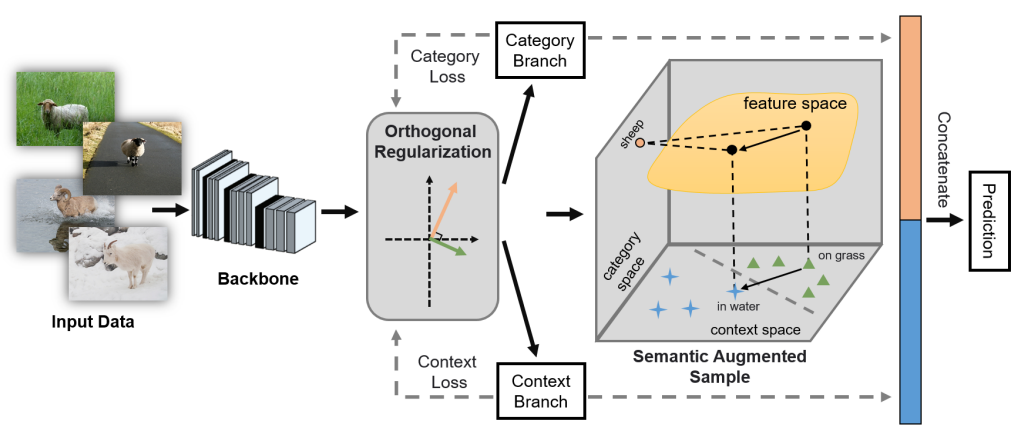
Haoyue Bai*, Rui Sun*, Lanqing Hong, Fengwei Zhou, Nanyang Ye, Han-Jia Ye, S.-H. Gary Chan, Zhenguo Li The AAAI Conference on Artificial Intelligence (AAAI), 2021 paper / code This work designs a general OoD generalization framework to tackle possible correlation shift and diversity shift in the real world. |
|
|
|
University of Wisconsin–Madison University of Wisconsin–Madison University of Wisconsin–Madison The Hong Kong University of Science and Technology |
|
2024.5 -- 2024.8. NEC Laboratories America, Princeton. 2022.9 -- 2023.12. University of Wisconsin-Madison, Madison. 2021.6 -- 2021.9. The Chinese University of Hong Kong, Hong Kong. 2018.1 -- 2018.6. The Hong Kong University of Science and Technology, Hong Kong. 2017.7 -- 2017.8. The Hong Kong University, Hong Kong. |
|
My name is Haoyue Bai.
Haoyue is pronounced “How-yweh”.
Bai is pronounced “bye”.
|
|
|
|
Thanks to Jon Barron for website template. |